
Bed bugs cause sleepless nights, itchy bites and a lot of stress. They are also one of the most difficult household pests to eliminate, because they hide in tiny spaces, survive for long periods without feeding and are often resistant to common insecticides. The good news is that with the right approach, they can be cleared.
Step 1: Confirm it is bed bugs
Look for:
- Live insects: flat, oval, reddish-brown, about the size of an apple seed as adults.
- Small dark spots (droppings) on mattress seams, sheets and furniture joints.
- Tiny blood stains on bedding.
- Pale, empty shed skins.
- Bites in lines or clusters that appear after sleeping.
Check mattress seams and labels, the bed frame joints and underside, headboards, bedside furniture, sofa and chair seams, curtain folds and cracks near the bed. If you have bed bugs in the bedroom, check the sitting room chairs as well.
Step 2: Do not spread them
Some common reactions make the problem worse:
- Do not move to another room to sleep before treatment. Bed bugs follow and infest the new room.
- Do not throw infested furniture into the street without wrapping it; others may take it home.
- Do not carry items from the infested room to other rooms without bagging them.
- Avoid repeated spraying with household insecticide. It rarely reaches eggs, can scatter bugs and may increase resistance.
Step 3: Prepare the room
Preparation makes treatment far more effective:
- Strip beds and bag all bedding and clothing from the affected rooms in sealed bags.
- Wash on the hottest setting the fabric allows, then dry thoroughly in hot sun or a hot dryer. Heat kills bed bugs and eggs.
- Reduce clutter: under the bed, around the bed and in wardrobes.
- Pull the bed and furniture slightly away from walls.
- Vacuum mattresses, seams, the bed frame and carpets, then empty the vacuum into a sealed bag outside.
Step 4: Treat thoroughly
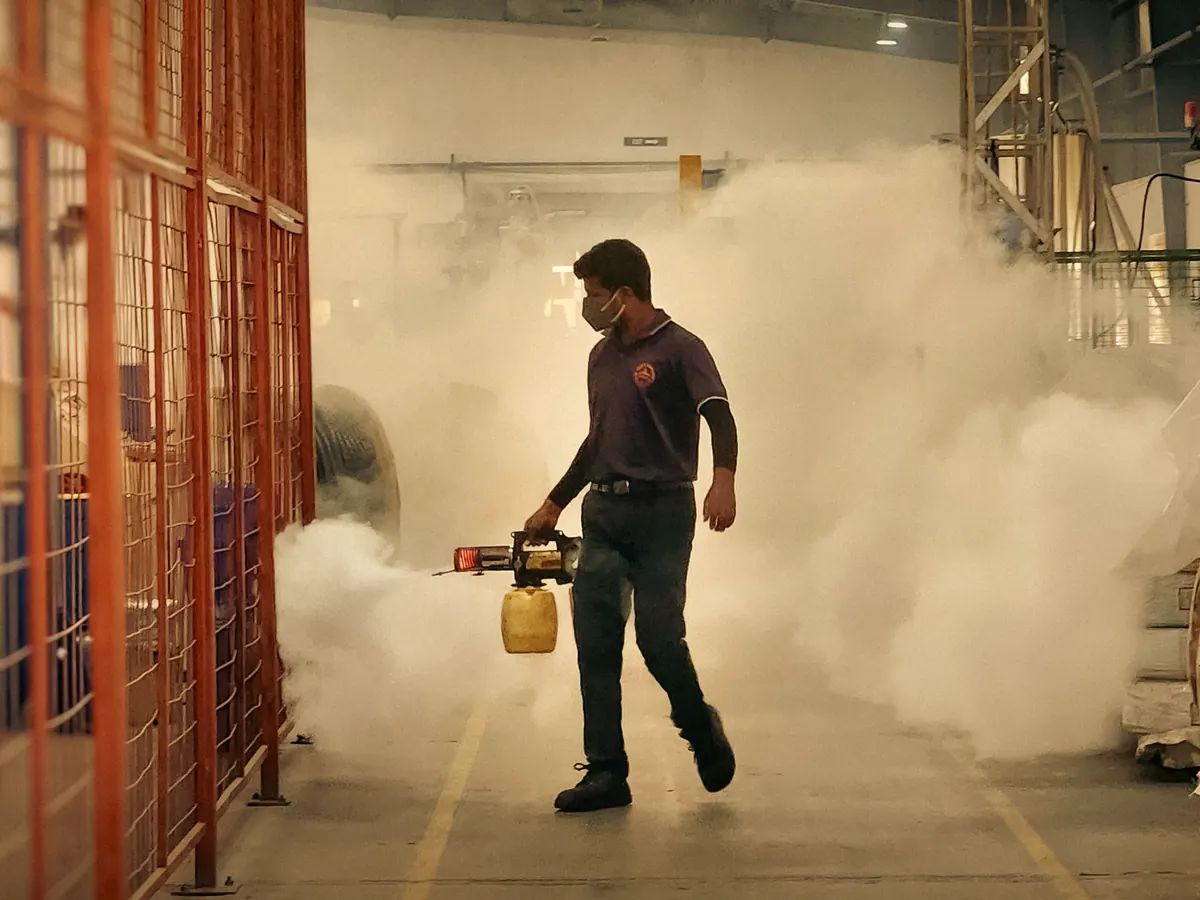
Effective treatment reaches every harbourage: mattress seams, bed frames, joints, headboards, furniture, skirting, cracks and sockets near the bed. It needs suitable products for bed bugs and careful, systematic work. This is where professional bed bug treatment makes a difference.
Step 5: Follow up
Bed bug eggs survive most treatments. A second treatment, usually one to two weeks after the first, kills bugs that hatch in between, before they can lay more eggs. Heavy infestations may need a third. Skipping the follow-up is the most common reason bed bugs return.
Should you throw the mattress away?
Usually not. Most mattresses can be treated. A mattress with torn fabric, or a bed frame with countless cracks, may be better replaced, but only after the room has been treated, otherwise the new mattress becomes infested too. Mattress encasements (zipped covers) can trap any remaining bugs and make future inspection easier.
Bed bugs in hostels, hotels and guest houses
Shared accommodation is at high risk because people and luggage move in and out constantly. Accommodation providers should:
- Train housekeeping staff to check for signs of bed bugs when changing rooms.
- Treat an affected room immediately and inspect neighbouring rooms.
- Avoid moving guests from an affected room into another without precautions.
- Schedule regular inspections, and treat hostels between academic sessions.
Preventing bed bugs
- Inspect second-hand beds, mattresses and chairs before bringing them home.
- When travelling, keep luggage off the bed and floor, and check the room.
- On returning from a trip, wash and hot-dry travel clothes.
- Treat quickly at the first sign; small infestations are far easier to clear.
Bed bugs are not a sign of a dirty home; they are carried in on belongings. If you have them, GHB provides bed bug treatment for homes, hostels and hotels in Osogbo, Ile-Ife, Ede and across Osun State.